What We Inherit: Writing The Walker Inheritance
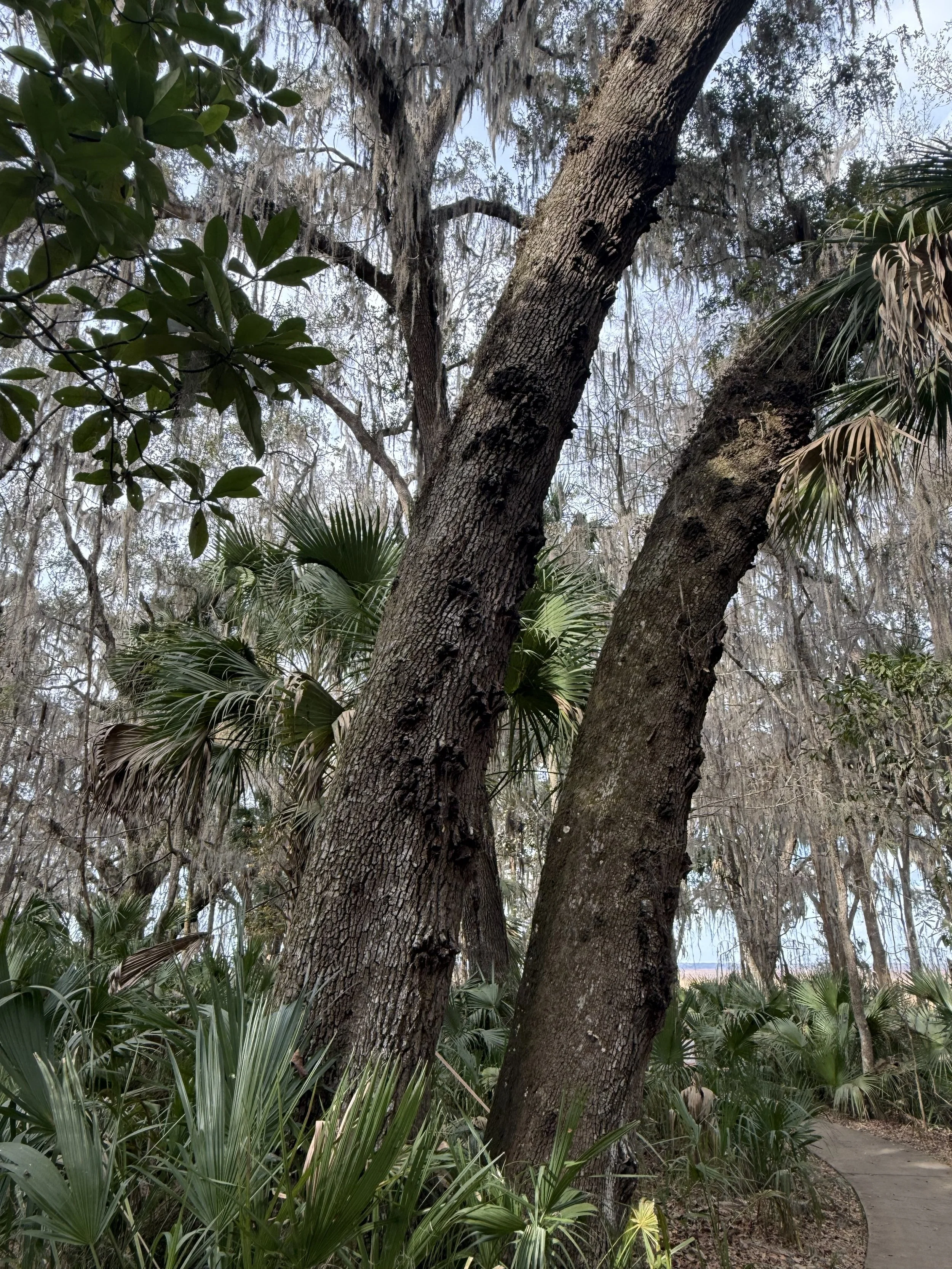
Of all the books in the Okeela Grove series, The Walker Inheritance was the easiest to write.
That doesn’t mean it was painless.
Luke and Ellie’s heartbreak felt real to me. Their betrayal. Their despair. The temptation to choose what is safer over what is truest. I felt it in my body while writing. Some stories fight you. This one opened itself up and said, Here. You already know this ache.
At the same time, the journey that Sylvie and Hazel take trying to make sense of their past while building a future in a world not made for the love they share made my heart sing. Their love is not simple. It is not convenient. It asks things of them. But it is brave.
And Blessy, in so many ways, became the heart and soul of this time period. She is the embodiment of fear and protectiveness, but her endurance is hard-won and it manages to outlive fire, scandal, and silence.
The Objects That Survive
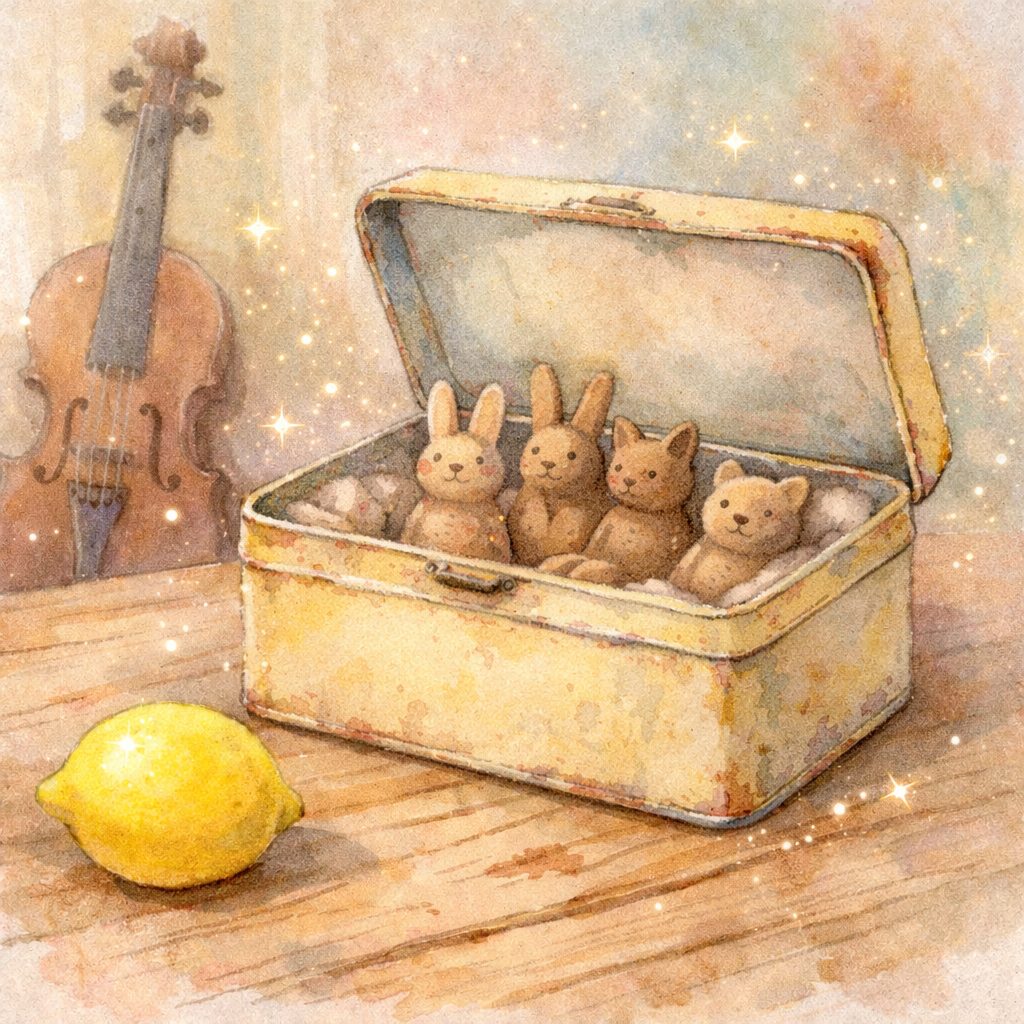
I wanted to bring forward the artifacts from earlier books (the lemon tree, the violin, the nature journals, even Jesse’s yellow tin) because those objects are vessels. They carry memory when people cannot.
But I also wanted something new. That is where Sylvie’s songs come from. Music felt like the natural evolution of the journals. Ellie recorded the world in ink; Sylvie records it in sound. Both are ways of saying: We were here. Our stories matter.
What Do We Actually Inherit?
I descend from a beautiful, complicated family tree.
There is so much I eventually want to explore within that tree. There is so much I eventually want to explore within that tree. Stories of seven sisters in the jungle, their loyalties braided tighter than vines. Stories of wealthy families undone by hurricanes and hubris. Fathers who built more than one family at once. Cousins separated by oceans who somehow grow up making art about the same wounds, circling the same themes, as if memory travels through blood even when language and geography do not.
But for this story, I kept returning to one question:
What do we inherit from the people who came before us?
Not just land or wealth, though those matter, and they shape power. In this book, stolen land and reclaimed estates matter deeply. But we also inherit heartbreak. Fear. Silence. Music. Hope. Sometimes the unfinished dreams of those who never got to live long enough to see them realized.
We inherit bravery, or perhaps we inherit the memory of bravery and then must decide whether to embody it.
Anita taking blood money from sugar plantations and turning it into a school for everyone felt like the kind of alchemy I believe in. Walker College did not exist. But I could imagine it. I could imagine teenage activists growing into adults who build something meaningful and defiant and generous.
And then I could imagine it being destroyed.
What does it mean to descend from brave flames whose dreams were obliterated? What kind of courage does it take to dream again at that same scale? Is that courage inherited? Or chosen?
When the First Love Story Doesn’t Last
Another question at the heart of this book: what happens when the true love story you read as a young adult doesn’t pan out?
I wasn’t ready to end Ellie and Luke’s story. But I wanted to spend more time in the reality of Anita and Abraham’s descendants. The generations that grows up in the aftermath. The ones who must live inside the consequences.
I love that “why choose” romances are becoming more common. They offer relief from the anguish of choosing one love over another. They protect readers from the stress of loss.
But I am not a writer who can avoid the messy.
Many types of love can exist at the same time. Choices are made. Pain comes from those choices. That does not mean the love was not real. Or powerful. Or good.
Zeb’s love for Sylvie is pure enough that even though they don’t build a life together, they create something beautiful for the world.
Sylvie’s love for Hazel is worth giving up New York and staying in a community that once felt suffocating.
Oscar’s love for Ellie keeps her alive even when her heart belongs to Luke.
And Luke’s love for Ellie means he cares for her children when she is gone, even though they are not biologically his.
Love does not disappear simply because it changes form.

Zora’s Florida
I also wanted to think about Zora Neale Hurston’s Florida and the brilliance and artistry and resilience of those communities that existed despite violence and erasure.
Florida is often flattened in national imagination. But its Black communities, its migrant communities, its dreamers all built worlds here. Some of those worlds were burned down. Drowned. Some were paved over. But the ghosts linger and sing. The ancestors press on.
Amber Ruffin gives an amazing analysis of the hidden histories so many people in our country are frightened of bringing to life.
On Uncertainty
Was I successful in doing all of this?
Probably not. I know what I was trying to explore. I know what moved me while writing. I can only do what I can do.
What I do know is this: When things go awry, poetry exists.
In real life, villains don’t always receive their comeuppance. Wonderful people suffer unfairly. Stories end without tidy conclusions. But noticing beauty in music, in trees, in the way love lingers even after it changes is one of the ways we survive.
And I do love how this story ended.
Not because it tied everything neatly, but because it opens a new generation in Okeela Grove with new questions and new inheritances.
The lemon tree still stands.
The violin still sings.
And love of family and place creates endless magical permutations to explore in other books.
